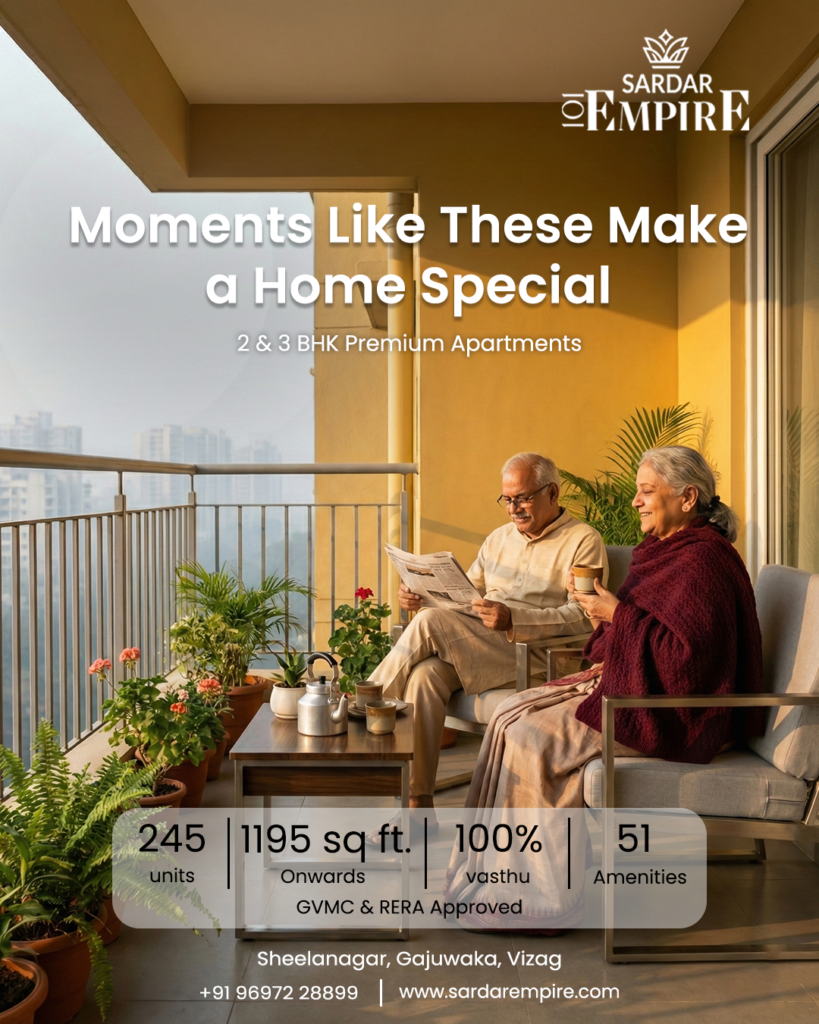
Senior-Friendly Apartment Living: What to Look For in 2026
Senior-friendly apartment living has become an important consideration for families and homebuyers as life expectancy increases and multi-generational living becomes more common. Seniors today seek homes that offer independence, comfort, safety, and easy access to essential services—without compromising on dignity or quality of life.
Choosing the right apartment for senior citizens is not just about size or location. It involves thoughtful design, accessibility, safety features, and a supportive community environment. This guide explains what to look for in a senior-friendly apartment, helping families make confident, long-term decisions.
1. Why Senior-Friendly Apartment Living Matters
As people age, daily activities that once felt effortless can become challenging. Stairs, slippery floors, poor lighting, or lack of nearby medical care can significantly affect quality of life.
Senior-friendly apartments help:
- Reduce accident risks
- Improve mobility and independence
- Offer emotional security
- Support healthy, stress-free living
A well-designed apartment can help seniors live comfortably and confidently for many years.
2. Step-Free and Easy Access Throughout the Building
Accessibility begins the moment a resident enters the premises.
What to look for:
- No-step entry at main gates
- Ramps with proper handrails
- Smooth pathways
- Minimal level differences
Apartments designed with step-free access make movement easier for seniors using walkers, canes, or wheelchairs.
3. Reliable Elevators and Lift Safety
For seniors, elevators are essential—not optional.
Ideal elevator features:
- Spacious cabins
- Smooth, jerk-free operation
- Emergency communication systems
- Backup power supply
- Low-positioned control buttons
Mid-rise or well-planned apartments with reliable lifts provide stress-free vertical movement for elderly residents.
4. Wide Corridors and Doorways
Narrow spaces can limit mobility.
Senior-friendly apartments should include:
- Wide corridors
- Doorways that accommodate wheelchairs
- Easy-to-open doors
- Minimal thresholds
These features allow seniors to move freely without fear of obstruction or falls.
5. Anti-Skid Flooring and Fall Prevention
Falls are one of the biggest risks for seniors.
Safer flooring includes:
- Anti-skid tiles
- Matte-finish surfaces
- Even flooring without sudden height changes
Bathrooms and kitchens should especially use slip-resistant materials to reduce accidents.
6. Well-Lit Interiors and Common Areas
Good lighting improves visibility and confidence.
Key lighting features:
- Bright, glare-free lighting
- Motion-sensor lights in corridors
- Well-lit staircases and parking areas
- Adequate natural light inside homes
Poor lighting increases the risk of falls and discomfort, especially for seniors with vision challenges.
7. Senior-Friendly Bathroom Design
Bathrooms must be safe and accessible.
Important features:
- Grab bars near toilets and showers
- Anti-slip flooring
- Walk-in shower areas
- Adequate space for movement
Thoughtful bathroom design significantly improves safety and independence.
8. Comfortable Apartment Layouts
A senior-friendly apartment should feel easy to live in.
Ideal layout features:
- Bedrooms close to bathrooms
- Minimal internal steps
- Logical room placement
- Adequate storage at reachable heights
Comfortable layouts reduce strain and improve daily convenience.
9. Safety and Security Systems
Security brings peace of mind—especially for seniors living alone.
Essential safety features:
- 24/7 security personnel
- CCTV surveillance
- Secure entry systems
- Emergency call or alert options
Knowing help is nearby allows seniors to feel safe and confident.
10. Emergency Response and Medical Access
Quick access to healthcare is critical.
Look for:
- Proximity to hospitals or clinics
- Easy ambulance access
- Wide internal roads
- Clear building access points
Apartments near medical facilities provide reassurance during emergencies.
11. Calm and Noise-Free Environment
Seniors often prefer peaceful surroundings.
Senior-friendly environments offer:
- Low traffic noise
- Controlled community density
- Green spaces
- Quiet common areas
A calm atmosphere supports better sleep, mental well-being, and overall health.
12. Walkable Community and Open Spaces
Regular movement is important for seniors.
Helpful features include:
- Walking paths
- Benches and resting spots
- Landscaped gardens
- Open, breathable spaces
These encourage gentle physical activity and social interaction.
13. Community Interaction and Social Well-Being
Isolation can affect senior mental health.
Senior-friendly apartment living encourages:
- Neighbor interaction
- Community events
- Shared spaces
- Safe gathering areas
A connected community helps seniors feel valued and emotionally supported.
14. Maintenance and Support Services
Low-maintenance living is ideal for seniors.
Look for:
- Professional maintenance teams
- Quick response to issues
- Well-managed common areas
Apartments with organized maintenance reduce daily stress for elderly residents.
15. Power Backup and Utility Reliability
Utility disruptions affect seniors more than others.
Important utilities include:
- Power backup for lifts and common areas
- Reliable water supply
- Safe electrical systems
Consistency in utilities supports uninterrupted daily routines.
16. Parking and Drop-Off Convenience
Senior-friendly apartments consider vehicle access.
Key features:
- Designated parking
- Close drop-off points
- Minimal walking distance from vehicle to home
Ease of movement improves comfort for seniors and caregivers.
17. Fire Safety and Emergency Preparedness
Fire safety is especially important for elderly residents.
Senior-friendly buildings should have:
- Clear fire exits
- Emergency stair access
- Alarm systems
- Fire safety signage
Preparedness reduces panic and improves safety during emergencies.
18. Why Apartment Type Matters for Seniors
Mid-rise or well-planned apartments are often better suited for seniors than very tall towers because they offer:
- Easier evacuation
- Reduced dependency on lifts
- Faster emergency response
Choosing the right building height improves comfort and safety.
19. Questions Families Should Ask Before Buying
Before choosing an apartment, ask:
- Is the building senior-accessible?
- Are lifts reliable with power backup?
- How close is medical care?
- Is security available round-the-clock?
- Are common areas safe and walkable?
These questions help families make informed decisions.
20. Senior-Friendly Living at Sardar Empire
At Sardar Empire, thoughtful planning supports senior-friendly apartment living by focusing on:
- Safe and accessible building design
- Easy mobility across common areas
- Secure and peaceful community environment
- Practical layouts suited for all age groups
This approach ensures that seniors can enjoy independence, dignity, and comfort within a well-managed residential setting.
Conclusion — Choosing the Right Home for Graceful Living
Senior-friendly apartment living is about more than accessibility—it’s about creating an environment where elderly residents feel safe, respected, and comfortable every day. From step-free access and reliable elevators to security, healthcare proximity, and calm surroundings, every detail matters.
Choosing an apartment that prioritizes senior needs ensures peace of mind not only for residents but also for their families. Projects like Sardar Empire, which emphasize thoughtful design and long-term livability, reflect how modern apartments can truly support graceful and independent senior living.
A home designed with seniors in mind is a home built for lasting comfort and care.