
Fire Safety Standards Every Apartment Buyer Must Check
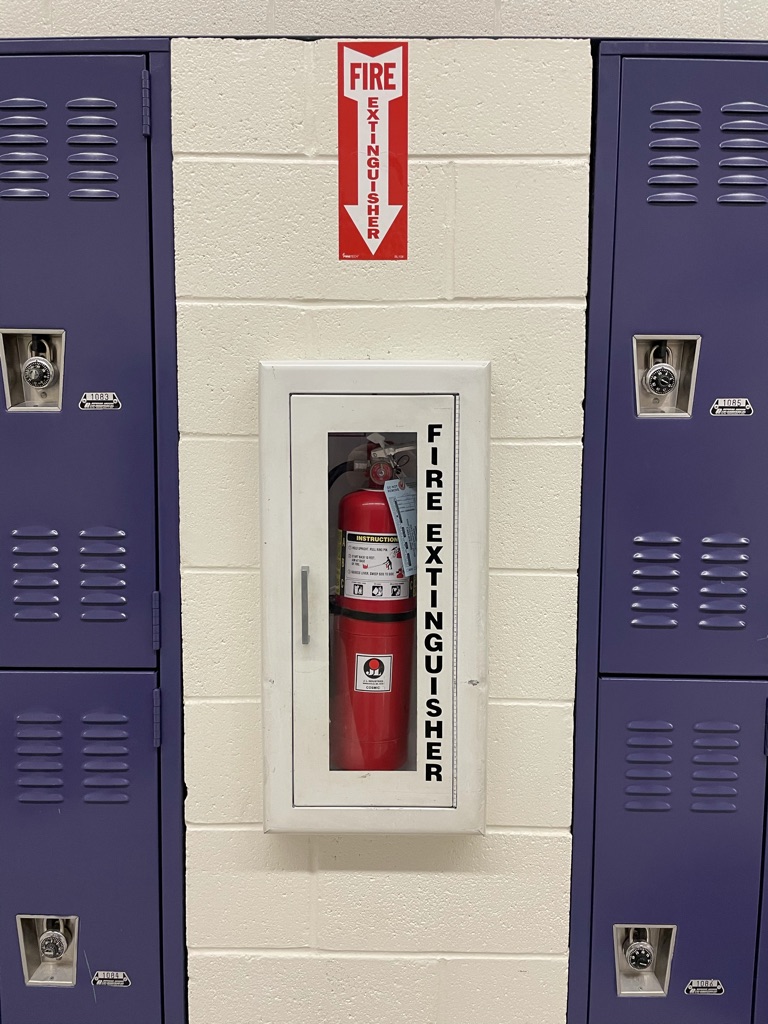
When buying an apartment, most buyers focus on location, price, layout, and amenities. However, one of the most critical yet often overlooked aspects is fire safety. Fire accidents in residential buildings can have devastating consequences, and many tragedies occur not because of fire itself—but due to lack of preparedness and fire safety systems.
Understanding fire safety standards before buying an apartment is not optional—it is essential for protecting lives, property, and long-term peace of mind. This guide explains every fire safety feature an apartment buyer must check, helping you make a safe and informed decision.
1. Why Fire Safety Should Be a Top Priority for Apartment Buyers
Fire emergencies escalate quickly. In apartment buildings, especially multi-storey ones, evacuation and containment depend heavily on proper safety infrastructure.
Good fire safety standards ensure:
- Safe evacuation during emergencies
- Reduced spread of fire and smoke
- Protection for children, elderly, and disabled residents
- Compliance with legal and insurance requirements
A beautiful apartment loses all value if it compromises safety.
2. Fire Safety Compliance and Approvals
Before anything else, check whether the apartment project has obtained fire safety clearance from the local fire department.
What to verify:
- Fire NOC (No Objection Certificate)
- Compliance with national and local fire safety codes
- Final fire safety approval before occupancy
Projects without proper fire clearance put residents at serious risk and may face legal issues later.
3. Fire Exits and Emergency Staircases
One of the most important fire safety features is safe exit access.
What buyers must check:
- Minimum two staircases in larger buildings
- Clearly marked fire exits
- Staircases that are not used for storage
- Fire-resistant doors for staircases
- Direct access to ground level
Emergency staircases should always be accessible, well-lit, and free from obstructions.
4. Fire Alarm and Detection Systems
Early detection saves lives.
Essential systems include:
- Smoke detectors in common areas
- Heat detectors where required
- Fire alarm panels
- Audible alarms on every floor
Buyers should confirm that alarms are installed, functional, and connected to a central monitoring system.
5. Fire Extinguishers on Every Floor
Fire extinguishers are the first line of defense.
What to look for:
- Correct type of extinguishers (electrical, chemical, etc.)
- Easily accessible placement
- Clear signage
- Regular maintenance and refilling schedule
An extinguisher is useful only if residents can quickly locate and use it.
6. Fire Hose Reels and Hydrant Systems
For larger fires, extinguishers alone are not enough.
Apartment buildings should have:
- Fire hose reels on each floor
- External and internal hydrant systems
- Adequate water pressure
- Dedicated fire water storage tanks
These systems help control fire until emergency services arrive.
7. Fire-Resistant Construction Materials
The materials used in construction play a huge role in fire safety.
Quality buildings use:
- Fire-resistant doors
- Non-combustible wall materials
- Flame-retardant wiring
- Fire-rated shafts for electrical and plumbing ducts
Such materials slow down fire spread and provide valuable evacuation time.
8. Electrical Safety and Wiring Standards
Faulty wiring is one of the most common causes of apartment fires.
Buyers should check:
- Use of branded electrical wires
- Proper circuit breakers
- Load management systems
- Separate circuits for high-load appliances
- Secure electrical panels
Good electrical design significantly reduces fire risk.
9. Basement and Parking Area Fire Safety
Parking areas are high-risk zones due to vehicles and fuel presence.
Safety features must include:
- Smoke detection systems
- Fire extinguishers
- Proper ventilation
- Clear access routes
- Fire-resistant paint and signage
Basements should never be neglected in fire safety planning.
10. Lift Safety During Fire Emergency
Elevators can be dangerous during fires if not properly designed.
Fire-safe lifts include:
- Automatic grounding to safe floor
- Clear instructions not to use lifts during fire
- Emergency power backup
- Firefighter lift provisions in taller buildings
Buyers should confirm these features during site visits.
11. Emergency Lighting and Signage
In fire emergencies, power failure is common.
Essential elements:
- Emergency lights in corridors and staircases
- Glow-in-the-dark exit signage
- Clear floor-wise evacuation maps
These features guide residents safely even in smoke or darkness.
12. Fire Safety Training and Mock Drills
Infrastructure alone is not enough.
A responsible apartment project ensures:
- Regular fire drills
- Resident awareness sessions
- Clear emergency procedures
- Displayed emergency contact numbers
Buyers should ask if the builder or association conducts such drills.
13. Fire Safety for Kitchens
Kitchens are the most common fire-prone areas inside apartments.
Safety measures include:
- Proper gas pipeline installation
- Automatic gas shut-off valves
- Adequate ventilation
- Fire-resistant materials near cooking areas
Checking kitchen safety is as important as checking common areas.
14. Accessibility for Emergency Services
Fire engines and rescue teams must be able to reach the building quickly.
Buyers should check:
- Wide access roads
- Turning radius for fire vehicles
- Clear entry points
- No encroachments near building perimeter
Poor access can delay rescue efforts during emergencies.
15. Maintenance and Regular Safety Audits
Fire safety systems require regular inspection.
Ask about:
- Maintenance schedule
- Annual fire safety audits
- Responsibility (builder vs association)
- Replacement of expired equipment
A neglected system is as dangerous as no system at all.
16. Legal and Insurance Implications
Apartments without proper fire safety compliance may face:
- Insurance claim rejection
- Legal penalties
- Occupancy certificate issues
- Resident liability during accidents
Fire safety is not just about protection—it’s also about legal security.
17. Common Fire Safety Red Flags Buyers Should Avoid
Be cautious if you notice:
- Locked or blocked fire exits
- Missing extinguishers
- No fire signage
- Poorly maintained systems
- Builder avoiding safety-related questions
These are serious warning signs.
18. Questions Every Buyer Should Ask the Builder
Before booking, ask:
- Is the project fire safety approved?
- How many fire exits are provided?
- Are fire drills conducted?
- Who maintains fire safety equipment?
- Are materials fire-resistant?
A transparent builder will answer confidently.
Conclusion — Fire Safety Is Non-Negotiable
Fire safety is not just a technical requirement—it is a responsibility that directly affects the lives of residents. An apartment may look modern and well-designed, but without proper fire safety standards, it can never be considered a truly safe home.
This is where choosing the right project matters. At Sardar Empire, fire safety is treated as a core part of construction planning, not an afterthought. From compliant fire exits and safety systems to well-planned access for emergency services, the project is designed to meet essential safety expectations for long-term residential living.
By prioritizing fire safety standards while evaluating an apartment, buyers can ensure peace of mind, legal compliance, and protection for their families. A home that is built with safety in mind is a home that truly supports comfortable and secure living—today and in the years to come.